The Platform Question Nobody Asks the Right Way
You don't need to know what Astro or Next.js is. You need to know what owning your foundation gets you — and what renting one costs you later.
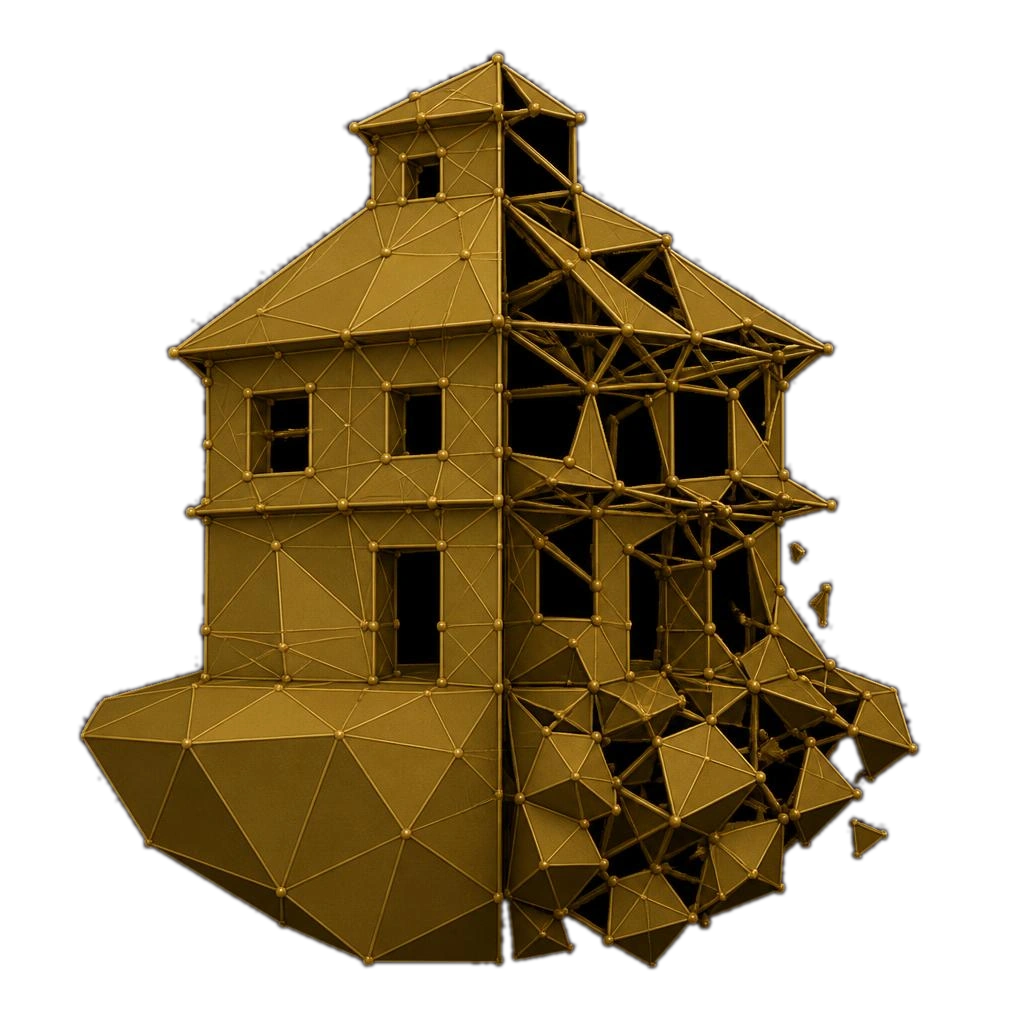
You don't need to know what Astro or Next.js is. You need to know what owning your foundation actually gets you — and what renting one costs you later.
Most website platforms rent you a box and let you decorate it. You're not building a website; you're negotiating with a template, trying to make someone else's tool do what your business actually needs. Every workaround, every "the platform doesn't support that" is a ceiling you didn't know you'd hit until you hit it.
Owning your code means the opposite: the site bends to you, not the other way around. You can customize it exactly to what your business needs, replicate what works when you expand, and scale without a rebuild every time you outgrow the last decision. That's not a technical detail. That's whether your website can grow with your business or becomes something you eventually have to tear down and start over.
What This Looks Like In Practice
We saw this exact pattern with a client who came to us on a "solid" platform-based build. It looked fine. But the previous agency owned it — the analytics, the ad accounts, the platform logins. He was paying to grow a business he had no real control over. We rebuilt it, on infrastructure he actually owns, and handed him every key.
Full ownership isn't a bonus feature. It's the difference between a business and a rental.
Three Foundations, Scored Honestly
| Template Builder (Wix/Squarespace) | WordPress | Owned Custom Build (what we build) | |
|---|---|---|---|
| Ownership if you leave | Nothing portable — rebuild from zero elsewhere | Full ownership, but plugin-dependent | Full ownership of the code, handed off with documentation |
| True 3-year cost | Predictable monthly fee, but you're renting — nothing to show for it | Hosting + plugins + theme + maintenance hours | One build cost, then near-zero ongoing platform cost |
| Maintenance burden | Low, but limited to what the editor allows | Ongoing — plugin updates, security patches | Near zero — no plugin treadmill |
| Ceiling on customization | Hard ceiling — you negotiate with the template | High, but requires developer time | Built to your exact needs, no negotiation |
| Ranking ceiling | Thousands of near-identical sites competing for the same slots | Depends entirely on build quality | Structure built around your actual market from day one |
1
Build cost, paid once
0
Monthly "platform rent" after that
The Platform Question, Answered Straight
Isn't a template builder good enough to start? +
What does "owning your code" actually mean day to day? +
Can I switch later if I start on a template? +
Not sure who actually owns your current site?
Book a 30-minute strategy call. We'll look at where your market actually is, what your competitors are doing, and what it would take to close the gap. No pitch deck. No retainer pressure.
Book a Free Strategy Call